The History of the Thobe: From Desert Garment to Modern Islamic Menswear
Last Updated: March 2026 Written by: The alqamees Tailoring & Editorial Team
Quick Overview
The thobe is one of the oldest and most enduring garments in the Arab and Islamic world. Worn for centuries across the Middle East and North Africa, it began as a practical desert garment and evolved into a symbol of modesty, dignity, and cultural identity. Today, the thobe remains central to Islamic menswear — balancing heritage with modern refinement.
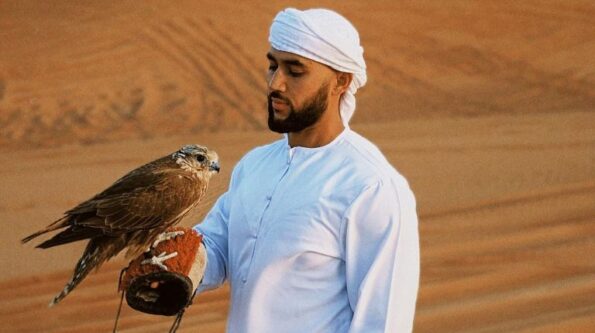
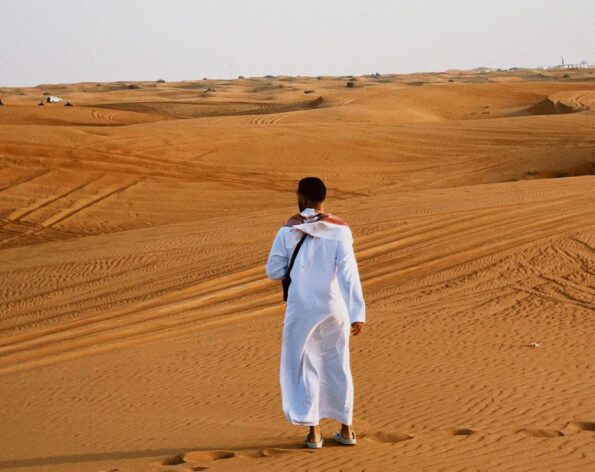
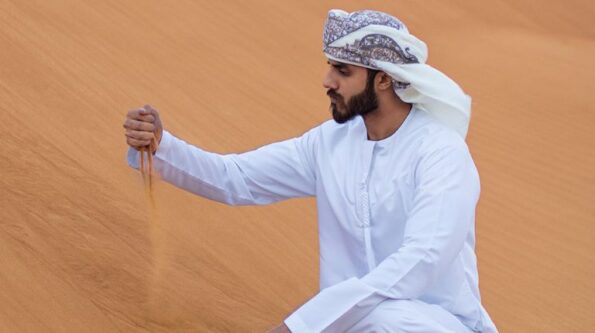
The thobe emerged in the Arabian Peninsula as a response to climate. Its long, loose silhouette allowed airflow in desert heat, while full-length coverage protected the skin from sun and sand. Simplicity was intentional. Structure was functional.
In early Islamic history, modest, loose garments were common among scholars, traders, and leaders. The thobe evolved within this context — not as a fashion statement, but as practical attire aligned with modest values.
“The thobe was never about excess. It was about purpose.”
Regional Evolution
As trade routes expanded, so did stylistic variation.
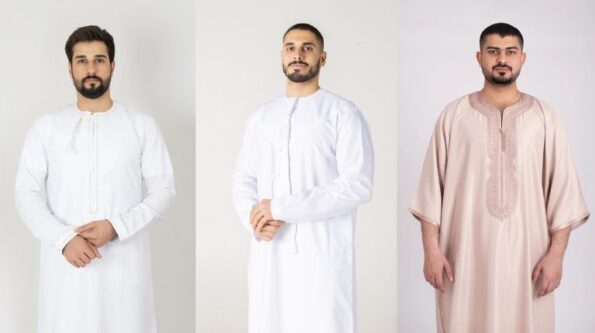
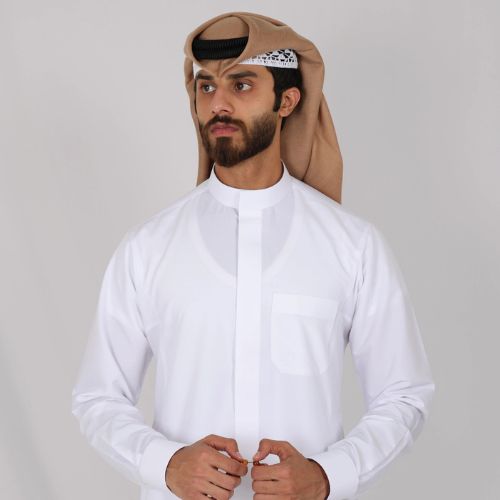
In the Gulf region, the thobe developed a more structured collar and tailored placket. In Oman, subtle embroidery became common around the chest and sleeves. In Morocco, the garment evolved into the jalabiya and djellaba, often featuring wider sleeves and hooded forms.
Over time, each region shaped the thobe to reflect both environment and identity.
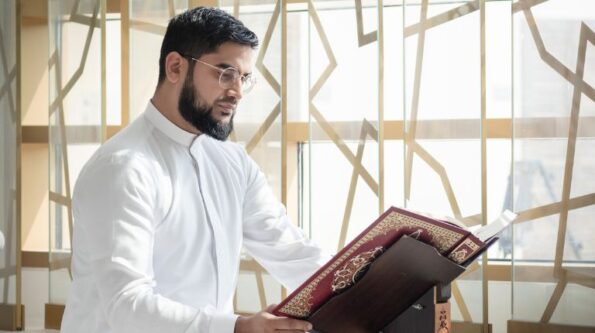
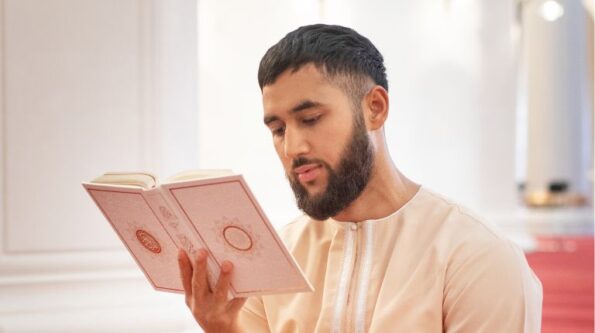
The thobe became deeply associated with Islamic gatherings, Jumu’ah prayer, Ramadan nights, Eid celebrations, weddings, and scholarly circles. While Islam does not mandate a specific garment, modest dress became part of religious etiquette. The thobe naturally aligned with that standard.
For many, wearing a thobe is not only cultural — it is symbolic. It represents continuity across generations.
“Clothing carries memory.”
From Tradition to Contemporary Refinement
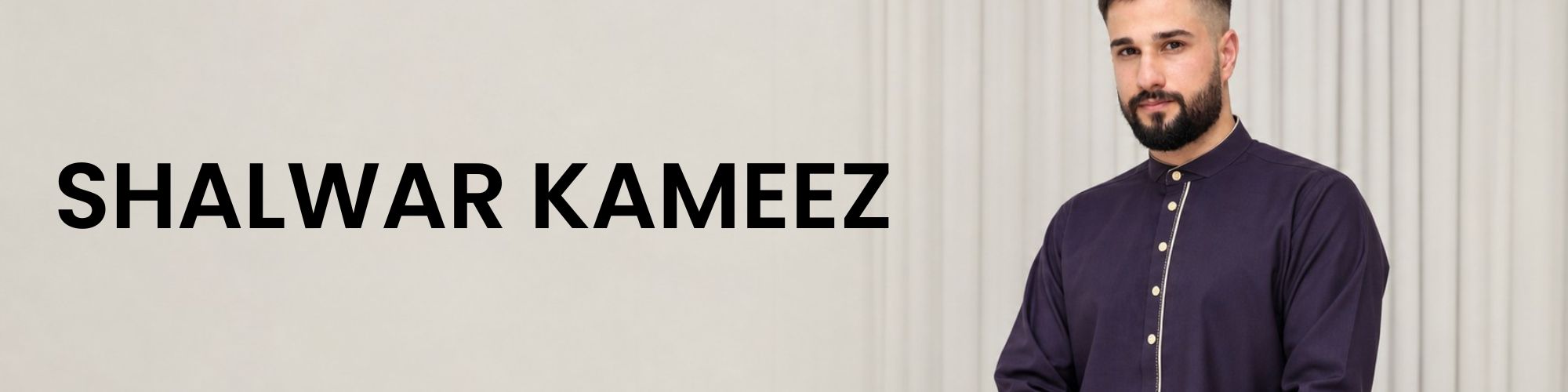
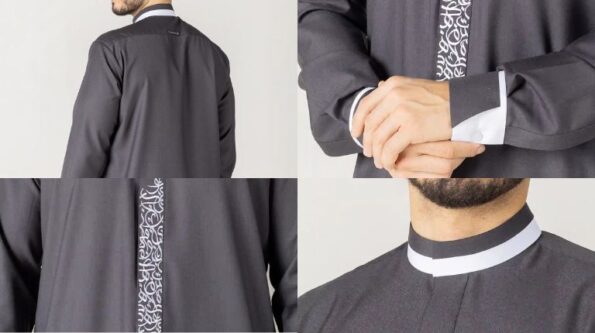
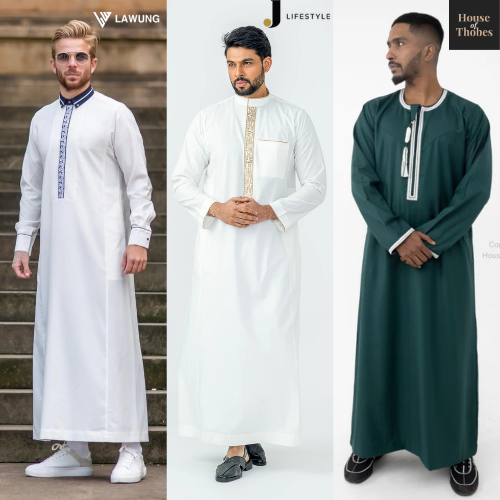
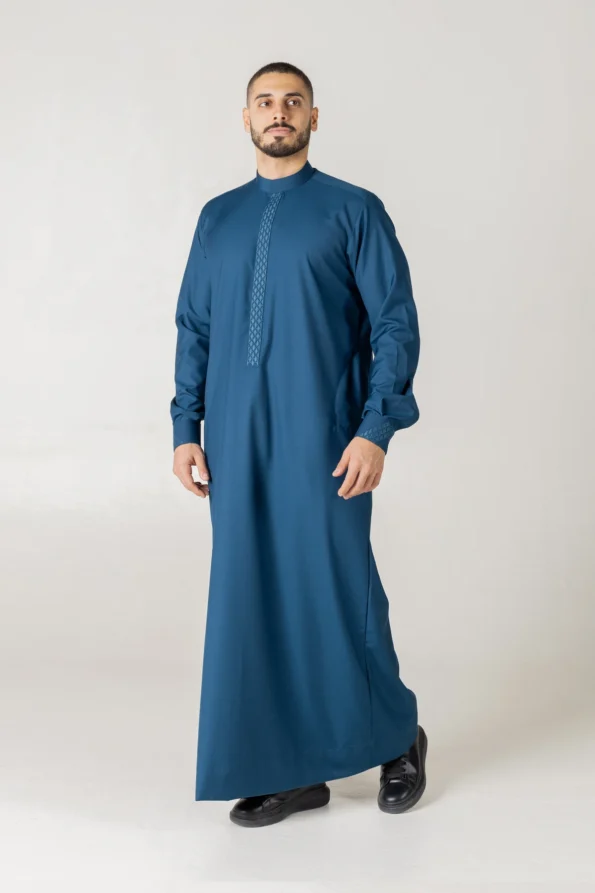
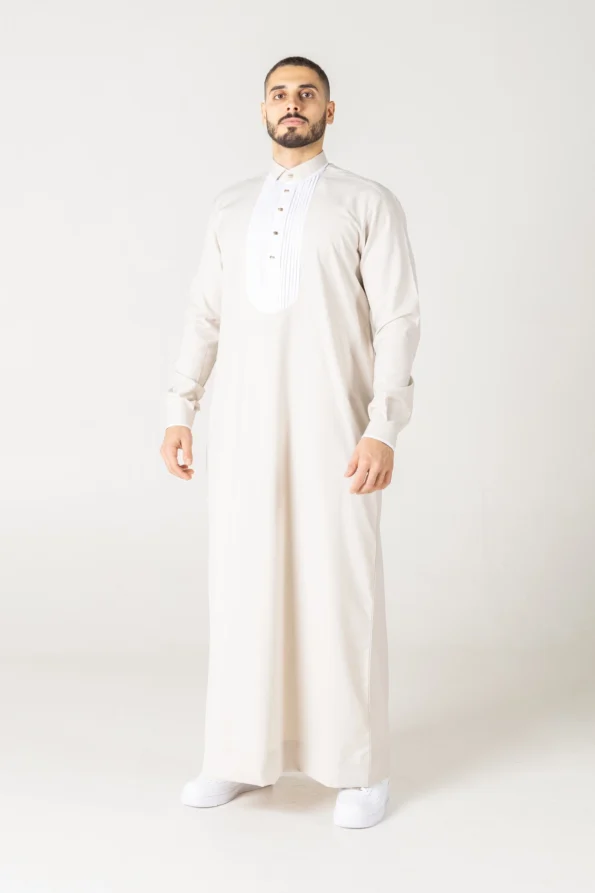
Today, the thobe remains rooted in tradition but has embraced subtle modernization. Structured collars, refined stitching, tailored proportions, and curated fabrics now shape contemporary Islamic menswear.
Brands such as alqamees blend traditional silhouettes with modern finishing, offering Emirati, Omani,Moroccan, and contemporary cuts while maintaining modest foundations.
Where older thobes emphasized function alone, modern thobes balance function with precision.
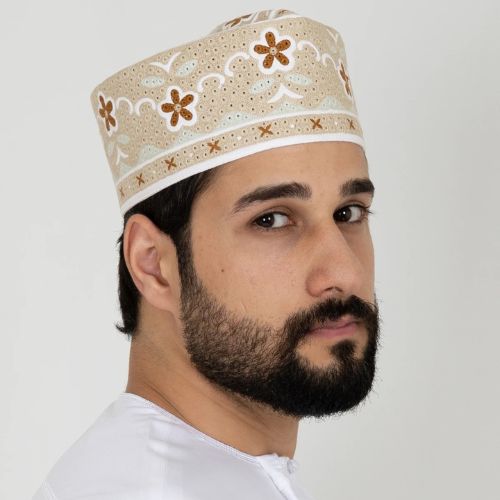
The shemagh or ghutra became common headwear in the Arabian Peninsula. The kufi or topi remains popular in South Asia and Africa. The bisht evolved as ceremonial outerwear worn over thobes by leaders and dignitaries.
Fragrance also holds historical importance. Applying attar before gatherings remains a Sunnah practice.
The Globalization of the Thobe
In the past two decades, the thobe has expanded beyond the Middle East. Muslim communities in North America, Europe, and Australia now wear thobes regularly for prayer, Eid, weddings, and cultural events.
alqamees has focused on bridging global access with structured refinement, serving customers across numerous countries while maintaining cultural authenticity.
The thobe is no longer region-bound. It is globally worn — yet locally meaningful.
Why the Thobe Endures
Few garments endure across centuries without losing their relevance. The thobe remains because it adapts while staying true to itself. It is comfortable in the heat, appropriate for prayer, dignified for ceremony, and naturally aligned with the values of modesty. Through generations, it has continued to serve both daily life and special occasions without ever feeling out of place.
While fashion constantly shifts with trends and seasons, the thobe evolves quietly without losing its identity. Its details may refine and its tailoring may modernize, but its essence remains unchanged. Trends come and go, yet the thobe continues forward — timeless, recognizable, and enduring.
The Thobe Today: Heritage with Structure
Modern men seek more than tradition. They seek fit, balance, and craftsmanship. Structured finishing, clean plackets, balanced sleeves, and refined embroidery now define premium thobes.
Explore contemporary and traditional options here:
The thobe today stands at the intersection of heritage and tailoring — not abandoning its past, but refining it.
Final Reflection
The history of the thobe is not a straight line. It is a thread woven through climate, culture, faith, and identity. What began as practical clothing for life in the desert gradually became a garment of dignity and meaning. It moved naturally from daily wear to the prayer hall, from ordinary life to moments of ceremony. Across centuries and across regions, the thobe remained present because it served both the body and the values of the people who wore it.
Even today, the thobe continues to carry that significance. In the most sacred places of Islam, great scholars and imams — including Sheikh Abdul Rahman Al-Sudais at Masjid Al-Haram — wear the thobe as part of a living tradition of modesty, humility, and continuity. Its design may evolve with time and tailoring, but its purpose remains constant. To wear a thobe is not only to wear a garment; it is to wear a tradition that connects generations, faith, and identity.