



Kufi Caps & Topis Explained: Meaning, Styles, Sizing & How to Wear Islamic Prayer Caps
Last Updated: February 2026
Written by: The alqamees Editorial Team

Quick Answer
A topi or kufi is a traditional Islamic prayer cap worn by Muslim men across the world. From embroidered Omani kufis to simple knit prayer caps, these headpieces represent modesty, identity, and cultural heritage. Whether worn for daily salah, Jumu’ah, Eid, or weddings, the right kufi completes the thobe.
What Is a Topi or Kufi?

The terms “topi” and “kufi” refer to modest Islamic caps worn by men, though the name varies by region. In South Asia, “topi” is more common. In the Gulf and parts of Africa, “kufi” is widely used.
While small in form, the kufi carries cultural depth. It is worn during prayer and special gatherings, and often paired with a thobe, kandura, or jubba.
“A kufi may sit lightly on the head, but it carries the weight of tradition.”
Regional Styles & Cultural Influence
Topis and kufis differ significantly depending on heritage and craftsmanship.
Omani Kufis
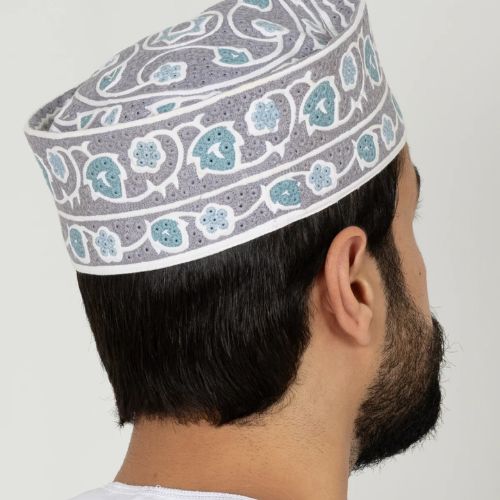
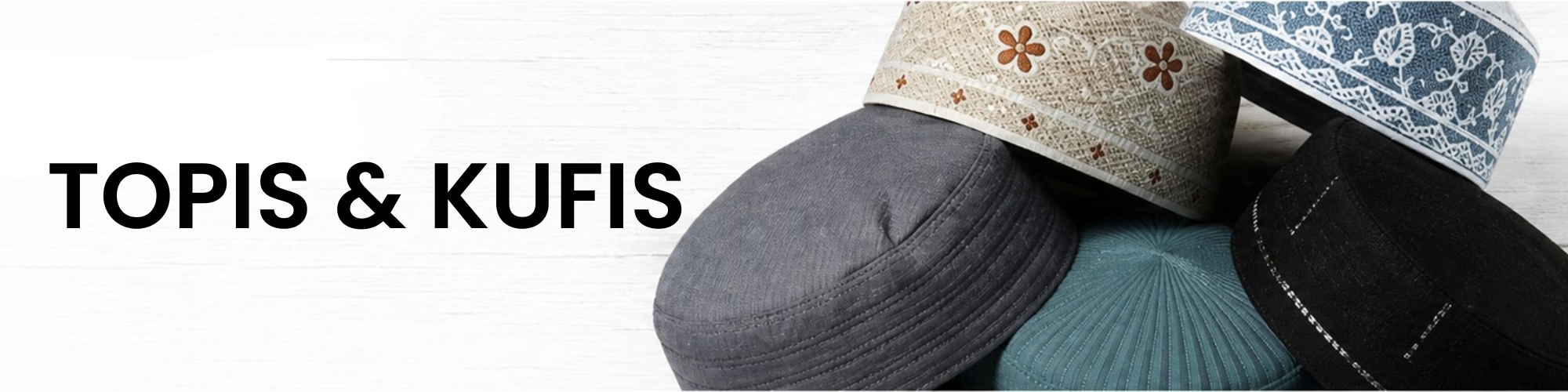
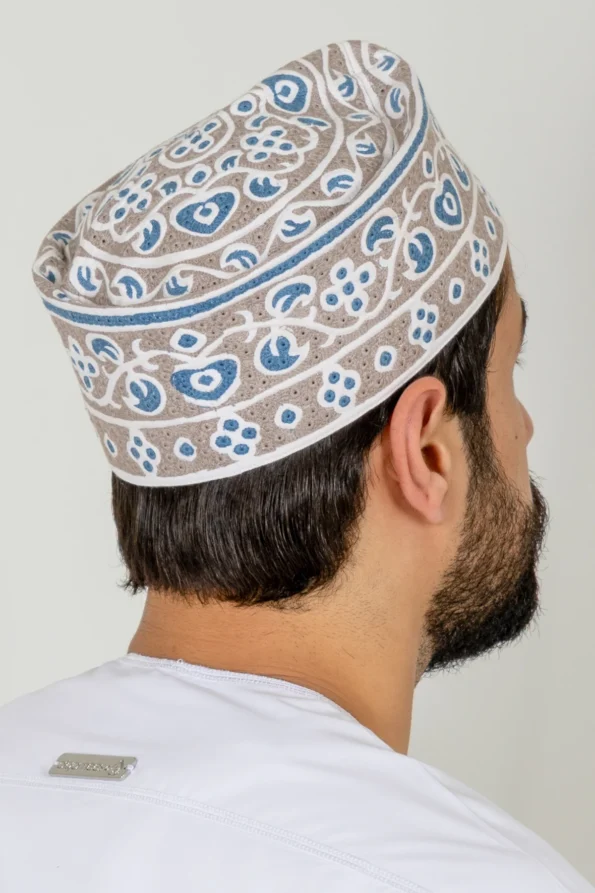
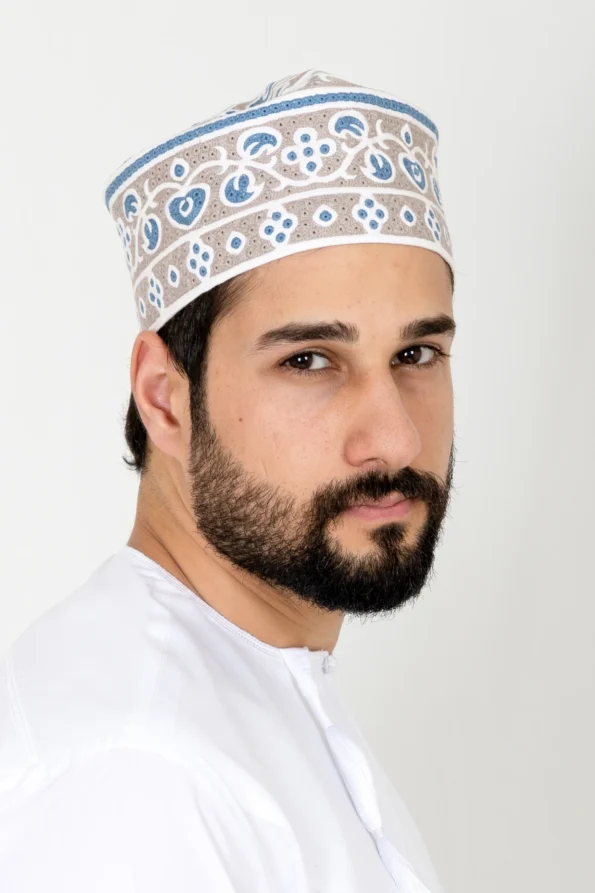
Omani styles are known for detailed embroidery and structured construction. Designs such as leaf patterns, geometric trims, and traditional borders reflect Gulf heritage. These caps pair naturally with Omani dishdashas and Emirati thobes.
Khaliji Style Topis
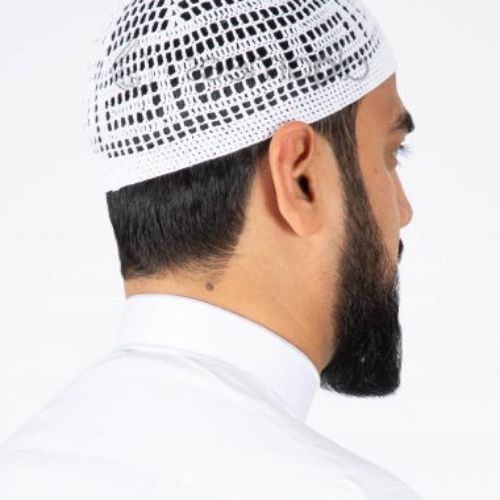
Clean, balanced, and often minimal, Khaliji-style topis complement structured thobes. They maintain proportion without excessive pattern, making them ideal for Eid prayer or formal events.
Knit & Everyday Kufis
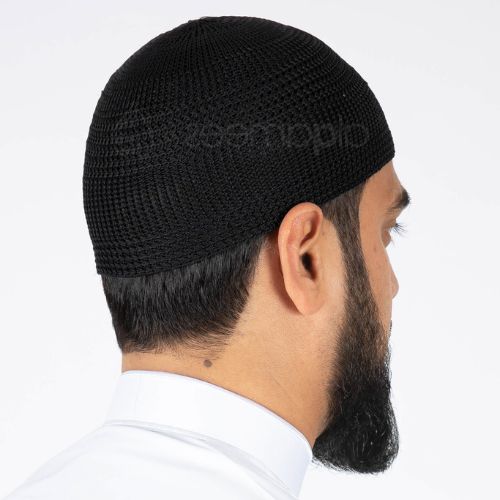
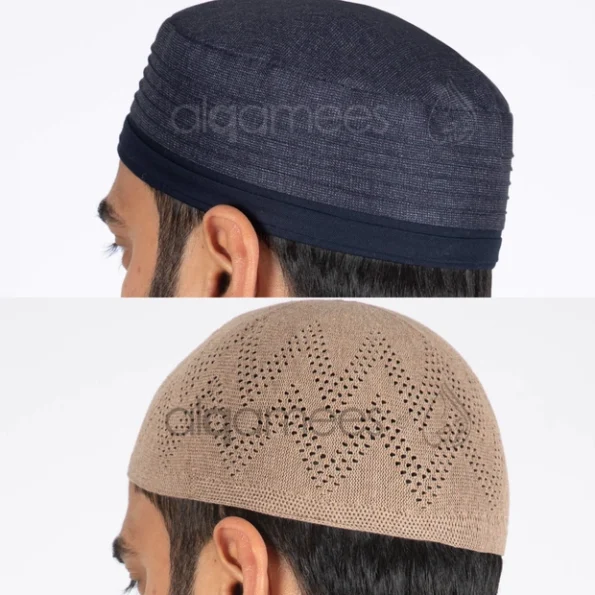
Soft knit styles offer comfort and breathability. These are commonly worn for daily salah, travel, or warmer climates. Simplicity makes them versatile.
Pashtun & Turkish Influence
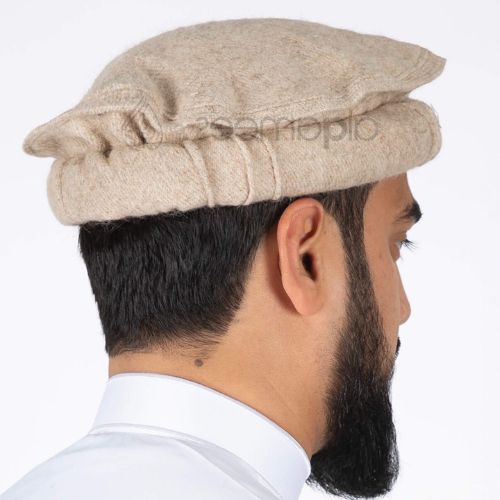
Pashtun caps and Turkish-inspired simple styles introduce regional variation. These designs often reflect cultural identity beyond the Gulf, offering diversity in modest headwear.
Why Wear a Kufi?
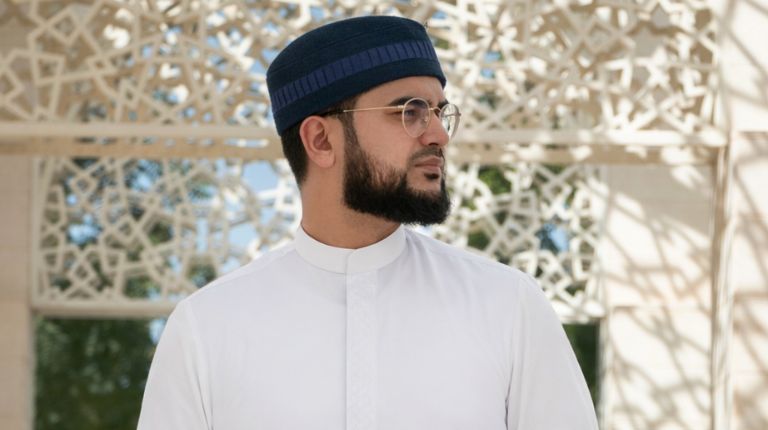
Wearing a kufi is not obligatory, but it is widely embraced as part of modest presentation during prayer and special gatherings. Many men choose to wear a kufi for Jumu’ah and daily salah, on Eid, at weddings, and during Islamic events as a reflection of reverence and dignity.
Beyond tradition, the kufi carries a quiet symbolism. It signals intentionality and respect for the occasion, completing one’s overall appearance with grace. The thobe frames the body, and the kufi completes the presence.
Choosing the Right Kufi
Fit matters. Structure matters. Stitching matters.
A quality kufi should sit comfortably without collapsing. It should align proportionally with the face and shoulders. Embroidery should remain crisp over time.
At alqamees, the collection balances affordability with structure — from everyday knit options to refined embroidered Omani pieces.
Browse the full collection:
Coordinating and Accessorizing Your Kufi
Coordinating your kufi with your thobe is about balance and refinement. A crisp white kufi pairs beautifully with classic white or cream thobes for a clean, timeless look, while deeper tones like navy, grey, or black complement darker fabrics. The goal is harmony—your kufi should enhance the thobe, not overpower it.
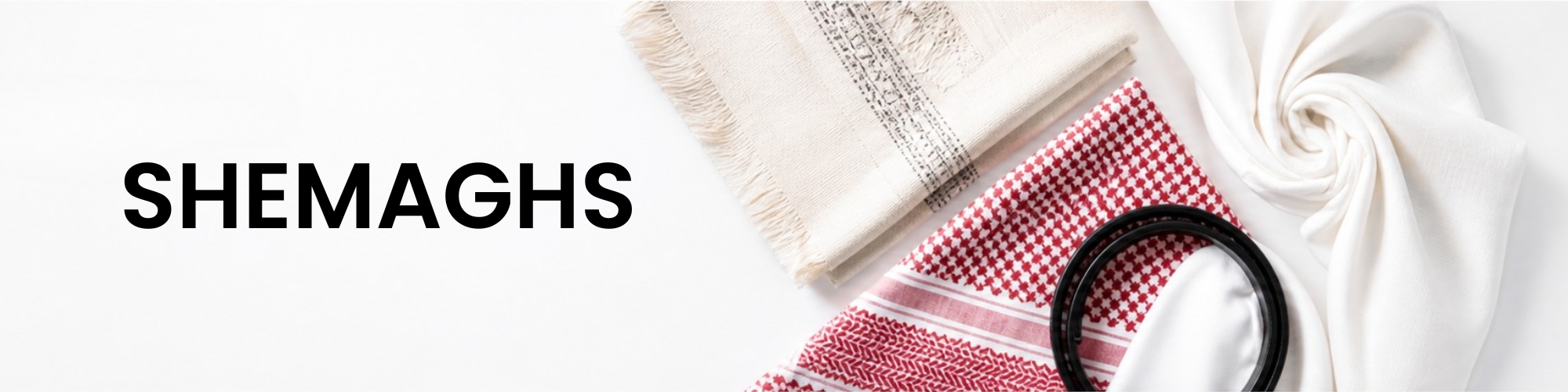
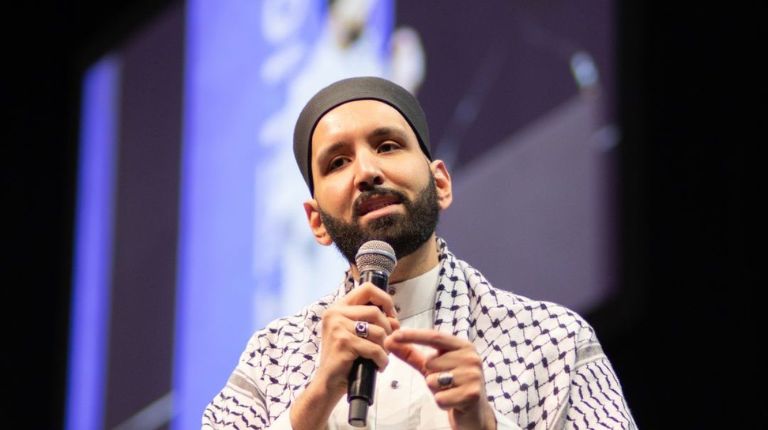
For more traditional occasions, a kufi can also be worn alongside a shemagh or ghutra, depending on regional custom and personal style. Many contemporary scholars, including Omar Suleiman, are often seen pairing a topi with a shemagh—showing that this combination can feel both rooted in tradition and modern. Thoughtful coordination transforms simple attire into a look of confidence and cultural pride.
Other Brands Offering Kufis
Several modest menswear brands also carry topis and kufis.
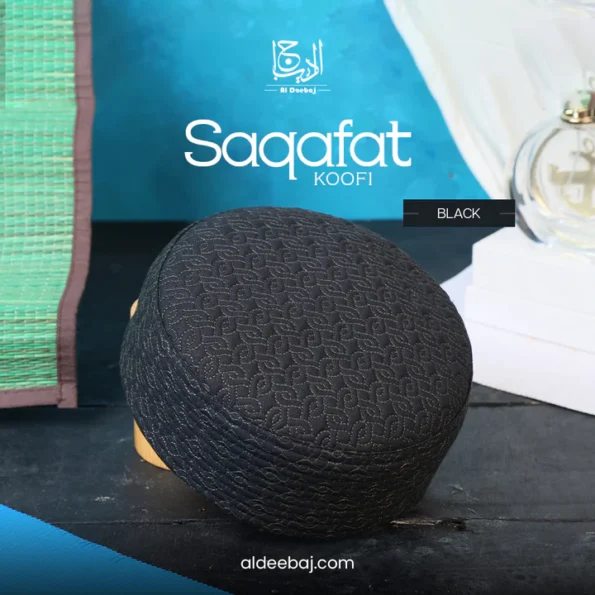
Deebaj is known for South Asian inspired caps and embroidered styles rooted in heritage craftsmanship.
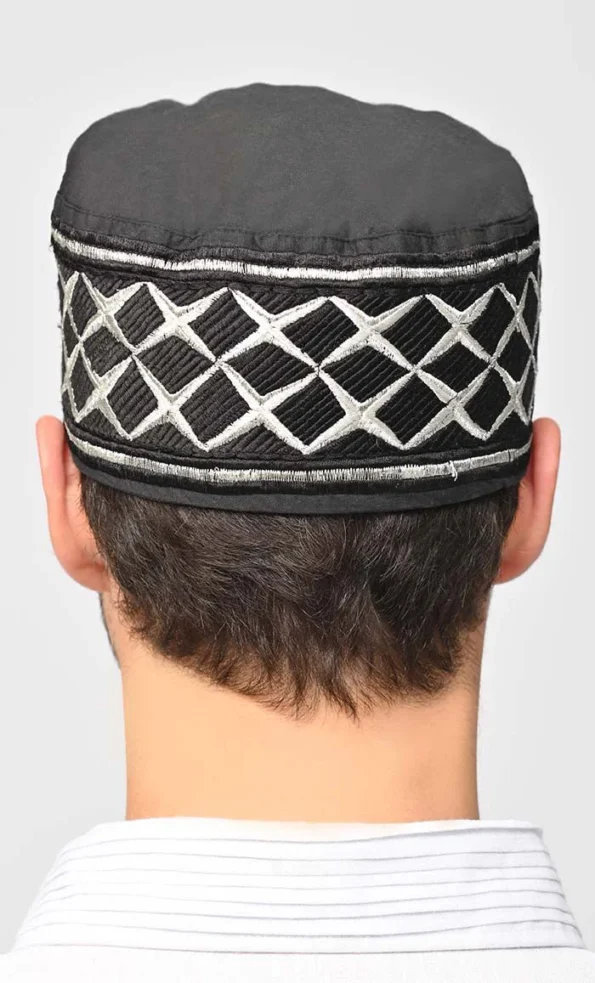
East Essence carries basic knit prayer caps that focus on affordability and accessibility.
Each of these brands serves different segments of the modest menswear market. alqamees focuses on curated selection, structured finishing, and coordination with its thobe collections — allowing customers to build a complete modest ensemble.
Size & Fit
Many kufis are offered in multiple head sizes to ensure a more precise and comfortable fit. Choosing the correct size allows the cap to sit naturally on the head without sliding backward or feeling restrictive. A well-fitted kufi should align cleanly along the hairline and rest evenly without tilting or bunching, creating a neat and composed appearance that complements your thobe.
Comfort is just as important as appearance. A properly fitted kufi should feel secure without causing pressure around the temples or forehead, even when worn for extended periods during prayer, gatherings, or special events. The right size helps the cap maintain its structure and shape over time, preserving both its elegance and durability. Investing in the correct fit ensures your kufi not only looks refined but feels effortless to wear.
Final Reflection
Topis and kufis are not trends. They are markers of identity.
From Omani embroidery to minimalist knit styles, these caps reflect cultural continuity and spiritual presence.
Whether you wear one daily or reserve it for Eid and special gatherings, the right kufi adds refinement to modest dress.
“Modesty is often expressed in the smallest details.”
FAQ
Our collection includes structured embroidered kufis and soft knit prayer caps.
Omani and Khaliji styles are crafted with durable, structured fabric that holds its shape, while knit kufis are made from lightweight, breathable materials ideal for daily wear.
Each piece is selected to balance comfort, structure, and long-term durability.
We offer multiple head sizes to ensure a secure and natural fit.
To find your size:
Measure around your head where the cap will sit
Choose the size closest to your measurement
A properly fitted kufi should sit comfortably without sliding or squeezing. It should feel secure while maintaining its shape.
Yes. Our embroidered Omani kufis are structured to maintain form.
The stitching remains crisp and the cap does not collapse easily with regular use.
They are designed for repeated wear at Jumu’ah, Eid, weddings, and formal gatherings.
For everyday salah and warmer climates, we recommend our knit kufis.
They are:
Lightweight
Breathable
Comfortable for extended wear
If you prefer a more polished look for the masjid, a minimal Khaliji-style kufi is also a strong option.
The key is proportion and tone.
White thobes pair well with embroidered Omani or clean Khaliji styles
Minimal thobes work best with subtle patterns
Formal occasions allow for more detailed embroidery
At alqamees, our kufis are curated to complement our thobe collections, allowing you to complete your look effortlessly.
Yes. Our embroidered Omani and structured Khaliji kufis are especially suited for weddings, Eid prayer, and formal Islamic gatherings.
They provide a refined finish that elevates your thobe without appearing excessive.
To maintain shape and stitching:
Hand wash gently in cold water
Avoid wringing or twisting
Air dry naturally
Store in a clean, flat space to preserve structure
Proper care ensures your kufi maintains its form and embroidery detail over time.
Our collection is curated for structure, proportion, and coordination.
While some brands focus purely on affordability or heavy ornamentation, alqamees balances:
Clean finishing
Structured construction
Cultural authenticity
Seamless pairing with our thobes
We focus on helping you build a complete modest ensemble — not just purchase a cap.