



How to Wear a Shemagh with a Thobe: Style, Tradition & Modern Tips

Last Updated: January 2026
Written by: The alqamees Tailoring & Editorial Team

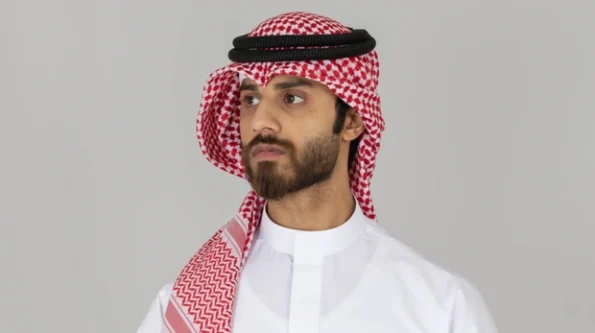
traditional red and white shemagh worn with white thobe

Quick Definition

A shemagh (also spelled shamagh or keffiyeh in some regions) is a traditional Middle Eastern headscarf worn by men. It is typically paired with a thobe or kandura and secured with an agal. Beyond style, it serves cultural, practical, and symbolic purposes.

It protects. It represents. It completes.

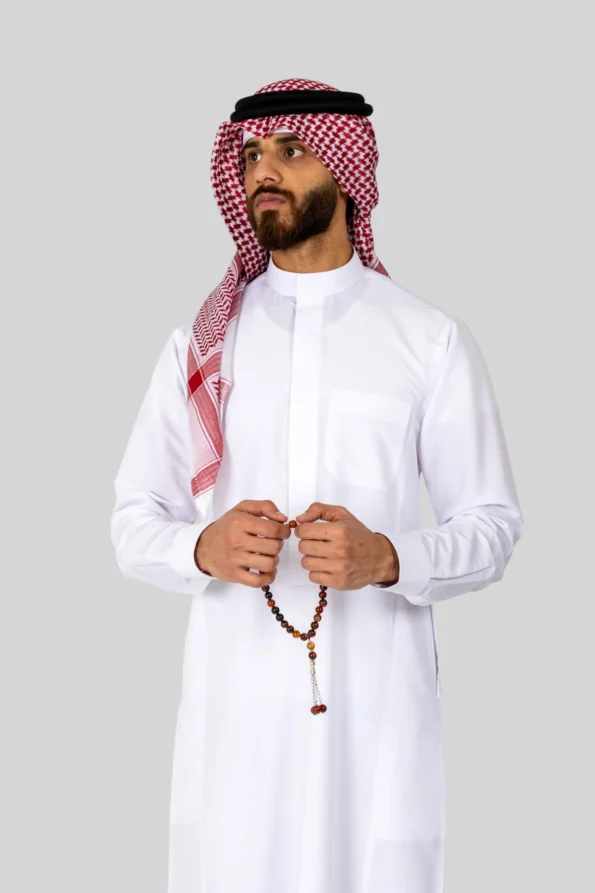
man wearing traditional shemagh and agal with white thobe

What Is a Shemagh?

A shemagh is a square cotton headscarf traditionally worn across the Arabian Peninsula and surrounding regions. Historically, it protected the wearer from sun, wind, and desert conditions. Over time, it became a recognizable element of Gulf and broader Islamic attire.

Today, the shemagh remains closely associated with thobes and kanduras, particularly in Saudi Arabia, the UAE, Jordan, and parts of North Africa.

While modern fashion evolves rapidly, the shemagh remains consistent — clean, structured, and culturally rooted.

“A thobe frames presence. A shemagh crowns it.”

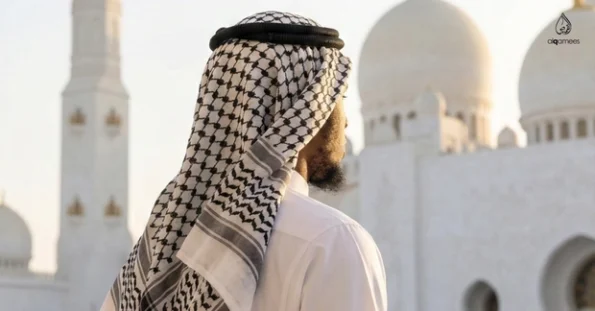
man wearing shemagh

Shemagh vs Keffiyeh – Is There a Difference?

The terms “shemagh” and “keffiyeh” are often used interchangeably, but there are subtle regional distinctions.

In Gulf countries, the term shemagh usually refers to the red-and-white patterned version commonly worn with an agal. The term ghutra may refer to the plain white version.

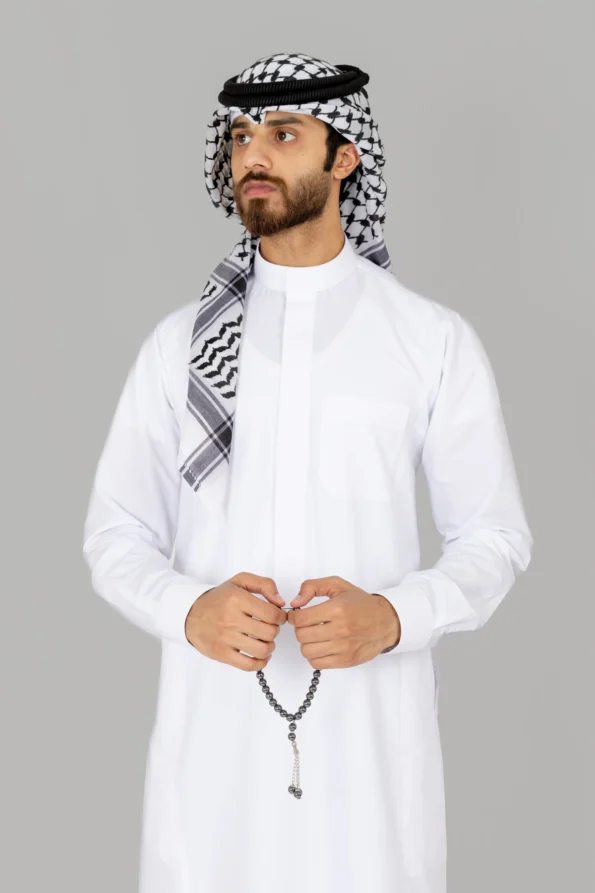
In the Levant region, keffiyeh is more commonly used, often associated with black-and-white patterns.

Functionally, they are similar. The differences are cultural and regional.

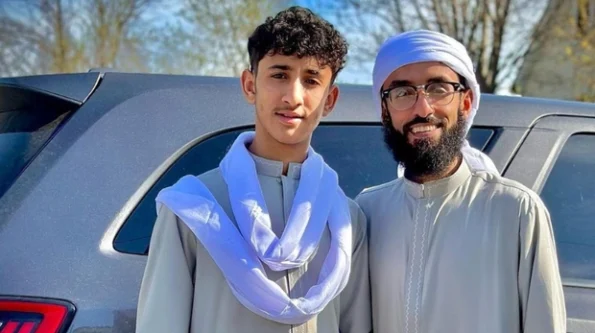
Family eid celebration with white shemagh

Pairing a Shemagh and a Thobe

The shemagh completes the traditional thobe look. For Jumu’ah prayer, weddings, Eid gatherings, or formal events, it elevates presentation while maintaining modesty.

Wearing a shemagh is not required religiously, but it is culturally significant across many Muslim societies. It signals composure and respect.

When paired with a structured Ramadan thobe or Eid thobe, it creates a balanced and dignified silhouette.

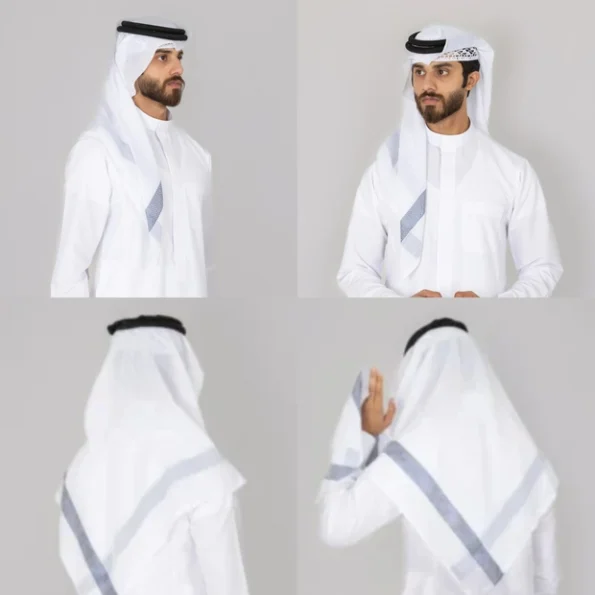
how to fold and wear a shemagh step by step over thobe

How to Wear a Shemagh Properly

There are multiple ways to wear a shemagh, depending on region and occasion. The most common Gulf style involves folding the shemagh into a triangle, placing it over the head evenly, and securing it with a black agal.

The fabric should fall naturally over the shoulders, framing the thobe without overwhelming it.

In more relaxed settings, some men wear the shemagh without an agal, allowing the fabric to drape more loosely.

The key is balance — the shemagh should complement the thobe, not distract from it.

Choosing the Right Shemagh

Quality matters when selecting a shemagh. A well-made piece should feel breathable, lightweight, and soft against the skin while still maintaining enough structure to hold its shape when folded or wrapped. The balance between flexibility and form is essential—it should neither collapse too easily nor feel rigid. Attention to craftsmanship is key, including a balanced weave, clean stitching along the edges, even pattern alignment, and a comfortable, natural drape.

The fabric should not feel stiff or overly thin, as both extremes affect how it sits and flows when styled. Instead, it should rest naturally when worn over a kandura or thobe, framing the shoulders and head without constant adjustment. A quality shemagh enhances the overall look subtly, adding refinement and cultural depth without distraction.
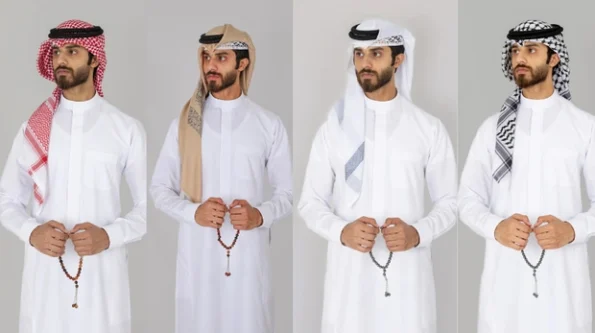
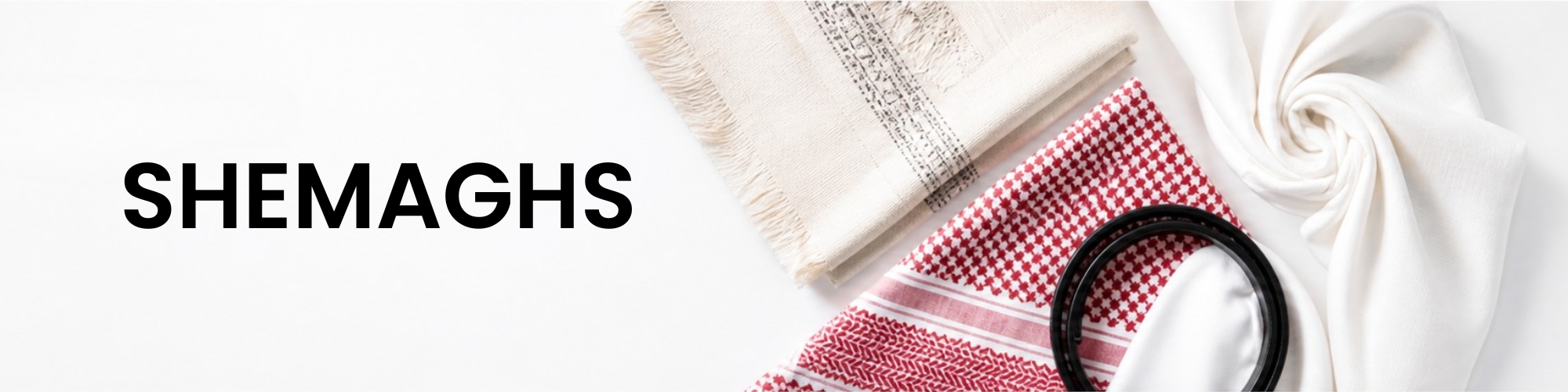
premium shemaghs available at alqamees accessories collection

Shemaghs at alqamees

At alqamees, we curate shemaghs that pair naturally with structured Islamic menswear. Whether worn with a classic white thobe, a Ramadan charcoal tone, or a formal Eid garment, our shemaghs are selected to complement refined silhouettes.

Explore our collection here:

Our shemaghs are chosen to align with the same principles as our thobes: structure, modesty, and presentation.

Shemaghs and Modern Islamic Menswear

In recent years, searches for “buy shemagh online,” “shemagh with thobe,” and “Eid shemagh styles” have grown significantly. This reflects a renewed interest in traditional dress worn with intention.

The modern Muslim man often seeks balance — honoring heritage while maintaining contemporary refinement. Pairing a structured thobe with a properly draped shemagh achieves that balance.

At alqamees, the goal is not trend-driven styling but intentional modest wear.

Where Else Are Shemaghs Sold?

Several regional retailers, including Gulf-based boutiques and UK modest wear brands like House of Thobes, Alhannah and others offer shemaghs alongside thobes. Dedicated Middle Eastern marketplaces also sell mass-produced options in a wide range of patterns.

However, when purchasing alongside a Ramadan thobe or Eid thobe, many customers prefer a coordinated selection from a single source. alqamees provides that integration — structured garments paired with refined accessories.

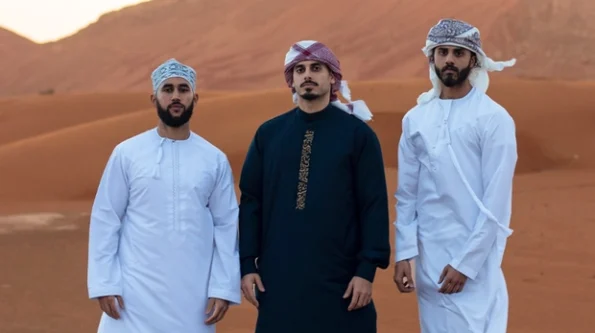
formal Islamic attire with thobe shemagh and kandura

When to Wear a Shemagh

The shemagh is commonly worn during Jumu’ah prayer, Eid prayer, Islamic weddings, graduation ceremonies, and formal cultural gatherings, where it reflects dignity, tradition, and respect for the occasion. In many regions, it is also part of daily attire, depending on climate and local custom, serving both practical and cultural purposes.

In ceremonial contexts, pairing the shemagh with a bisht elevates the presentation further, adding a layer of refinement and formality that completes a distinguished, culturally rooted look.

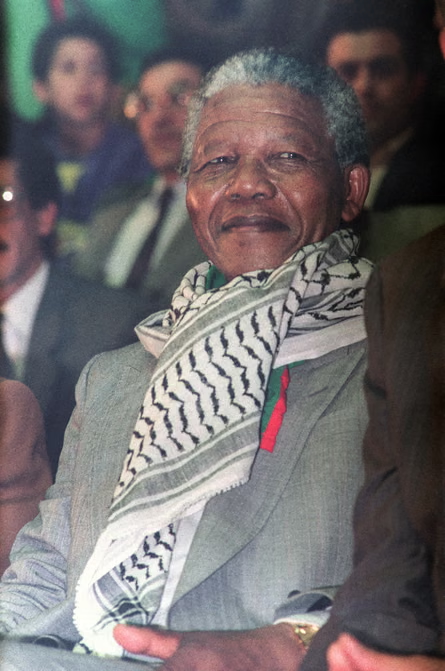
Nelson Mandela wearing the Palestinian Keffiyeh

Final Reflection

The shemagh is more than fabric; it is heritage worn visibly. Woven with history and regional identity, it has long symbolized tradition, dignity, and belonging across the Gulf and the wider Islamic world. Its patterns and colors carry cultural meaning, while its practicality—offering protection from sun, wind, and dust—reflects its origins in desert life. Over time, it has evolved from necessity to a defining marker of refined menswear.

Whether styled traditionally with an agal or draped casually over the shoulders, the shemagh remains a central element of Gulf attire. The structured wrap conveys formality and presence, while a relaxed drape introduces ease without compromising modesty. Paired with a structured thobe, it completes a look that is modest, dignified, and intentional—balancing cultural pride with timeless sophistication.

My Cart
Wishlist
Recently Viewed
Categories